Walking the ANZAC Legacy in Ba Ria – Vung Tau: Memory, Reflection and Reconciliation
Walking the ANZAC Legacy in Ba Ria – Vung Tau: Memory, Reflection and Reconciliation
By Travelmates: Your local experts in exploring Vietnamese culture and heritage.
Each year around ANZAC Day, many Australians and New Zealanders look towards Vietnam not simply as a travel destination, but as a place of remembrance. A thoughtfully designed ANZAC Vietnam War tour offers the opportunity to visit some of the most significant sites connected to Australian and New Zealand service in former Phuoc Tuy Province — including the Long Tan Cross, Nui Dat, and the Long Phuoc Tunnels — all within comfortable reach of Ho Chi Minh City.
For travellers whose parents or grandparents served in Vietnam, visiting Long Tan and Nui Dat is often deeply personal. It is a chance to stand in the rubber plantations where history unfolded, to understand the terrain that shaped military strategy, and to reflect on the human realities of courage, loss and resilience.
Combined with time in coastal Vung Tau, this journey balances remembrance with perspective — offering not only historical insight, but also space to absorb how far the region has come since the war.
The Battle of Long Tan: A Defining Moment
On 18 August 1966, in a rubber plantation near the village of Long Tan, D Company, 6th Battalion, Royal Australian Regiment — supported by New Zealand artillery — fought one of the most significant battles in Australia’s military history.
Outnumbered and facing fierce monsoon rain, the soldiers held their position for hours under intense fire. Eighteen Australians lost their lives. Many others were wounded. The event became a defining chapter in the ANZAC story of courage and endurance.
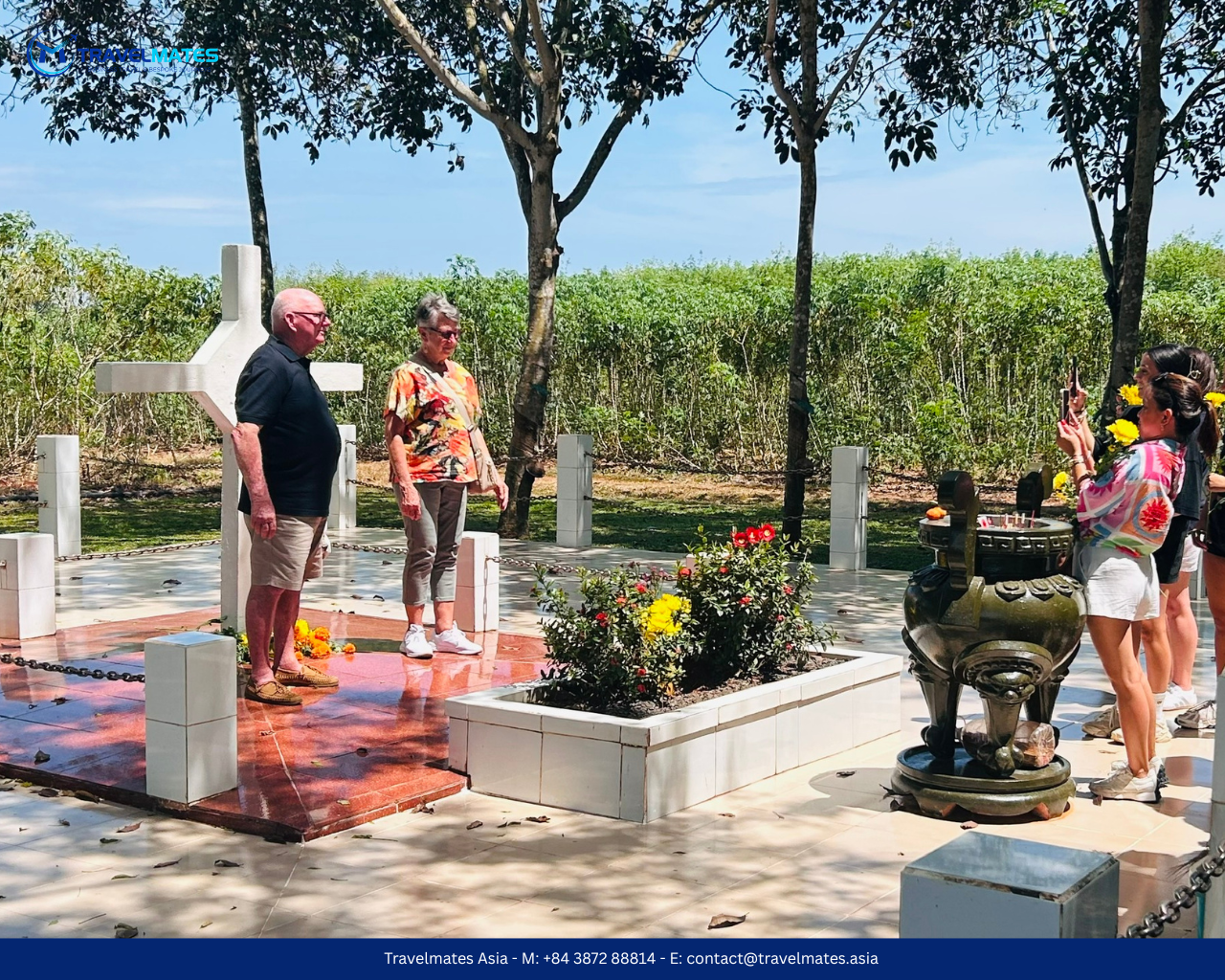
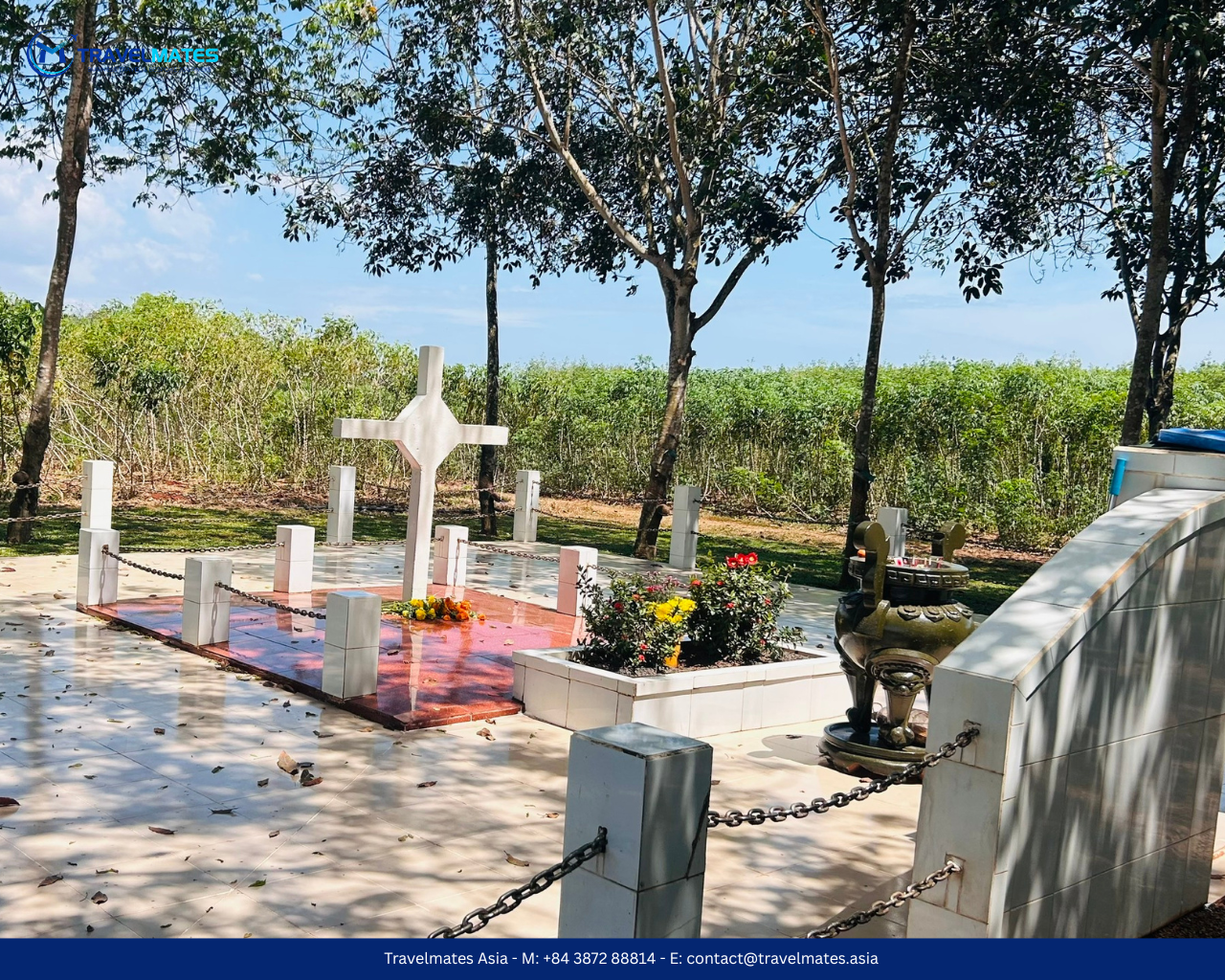
Today, the Long Tan Cross stands quietly in the plantation, marking the site of that battle. The original cross was erected by Australian soldiers in 1969 and later removed after the war; the current memorial was installed with Vietnamese approval in the late 1980s.
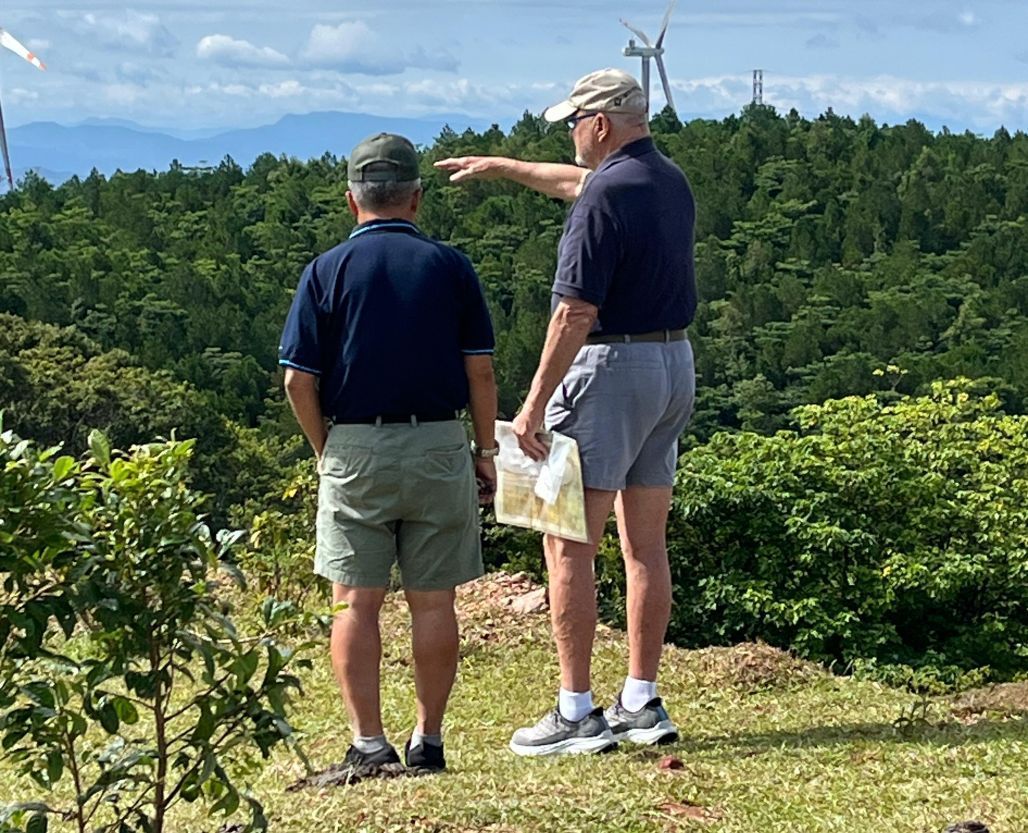
Visitors often describe a profound stillness here. There are no grand monuments — only rows of rubber trees and a simple cross. For many families, standing at Long Tan is deeply personal. It is about imagining young soldiers far from home, reflecting on sacrifice, and acknowledging the weight of history carried across generations.
Nui Dat: The Australian Task Force Base
A short drive away lies the former base at Nui Dat, home to the 1st Australian Task Force from 1966 to 1971. What was once a secured military compound is now open farmland, yet remnants of its past remain.
Visitors can still identify the old SAS Hill, the artillery positions and the perimeter areas where soldiers once stood watch. The nearby site of Luscombe Airfield — originally built to support military operations — offers insight into the logistical scale of the Australian presence in the province.
Long Phuoc Tunnels: Understanding the Other Side
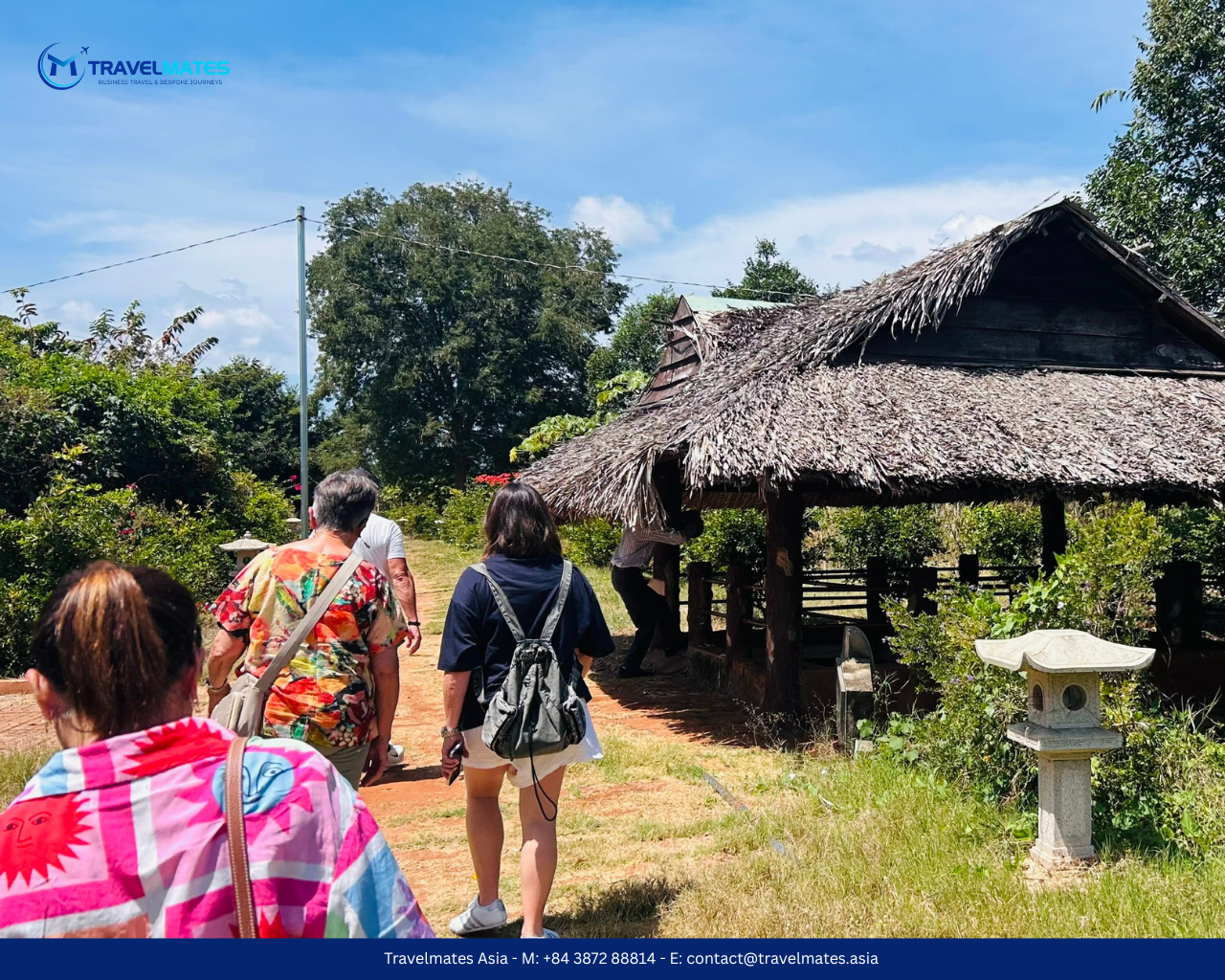
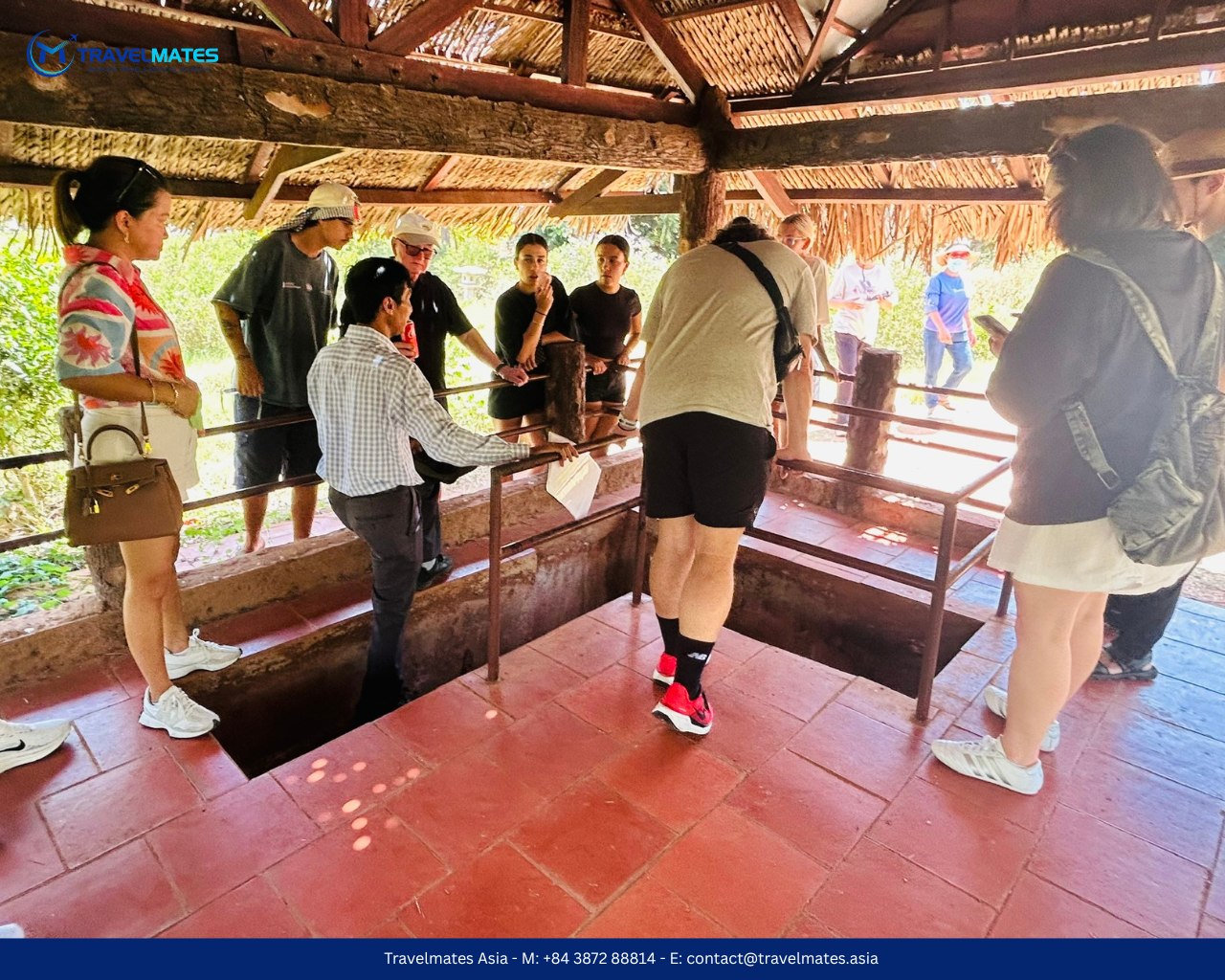
Equally important in understanding this history are the Long Phuoc Tunnels. Unlike Nui Dat, these tunnels were constructed and used by Vietnamese liberation fighters who operated against Australian, New Zealand and allied forces. The underground network included living quarters, meeting rooms, storage areas and concealed entrances, forming a strategic base for local resistance forces.
For visitors, Long Phuoc offers a crucial perspective shift.
War is never one-sided. While ANZAC troops established their base at Nui Dat, Vietnamese fighters built extensive underground systems to survive, organise and resist. Walking through sections of the tunnels highlights the tactical challenges faced by Australian and New Zealand soldiers — limited visibility, hidden networks, and an opponent deeply embedded within the terrain.
For many ANZAC descendants, this site does not diminish their family’s story. Instead, it broadens it. It invites reflection on the complexity of conflict and the shared human realities on both sides — fear, loyalty, loss and survival.
At Travelmates, we believe that presenting both perspectives is essential. It is not about judgement. It is about understanding.
Why This Journey Matters for Australians and New Zealanders
For Australians and Kiwis whose relatives served in Phuoc Tuy Province, visiting these sites can be deeply meaningful.
This is not about reliving battle. It is about connection. These experiences help travellers imagine daily realities their loved ones faced — the humidity, the uncertainty, the bonds between soldiers, and the resilience required to endure.
Around ANZAC Day in particular, many visitors choose to mark the occasion here in quiet reflection. Some bring photographs. Others bring regimental badges or simple poppies. The atmosphere is respectful and contemplative.
Over time, these visits have also become part of a broader story of reconciliation between former adversaries. Today, Vietnamese guides and local communities share these histories openly. The landscape that once divided now welcomes visitors in peace.
Beyond the Battlefield: Vung Tau’s Coast and Culture
A journey to this region is not solely about wartime history.
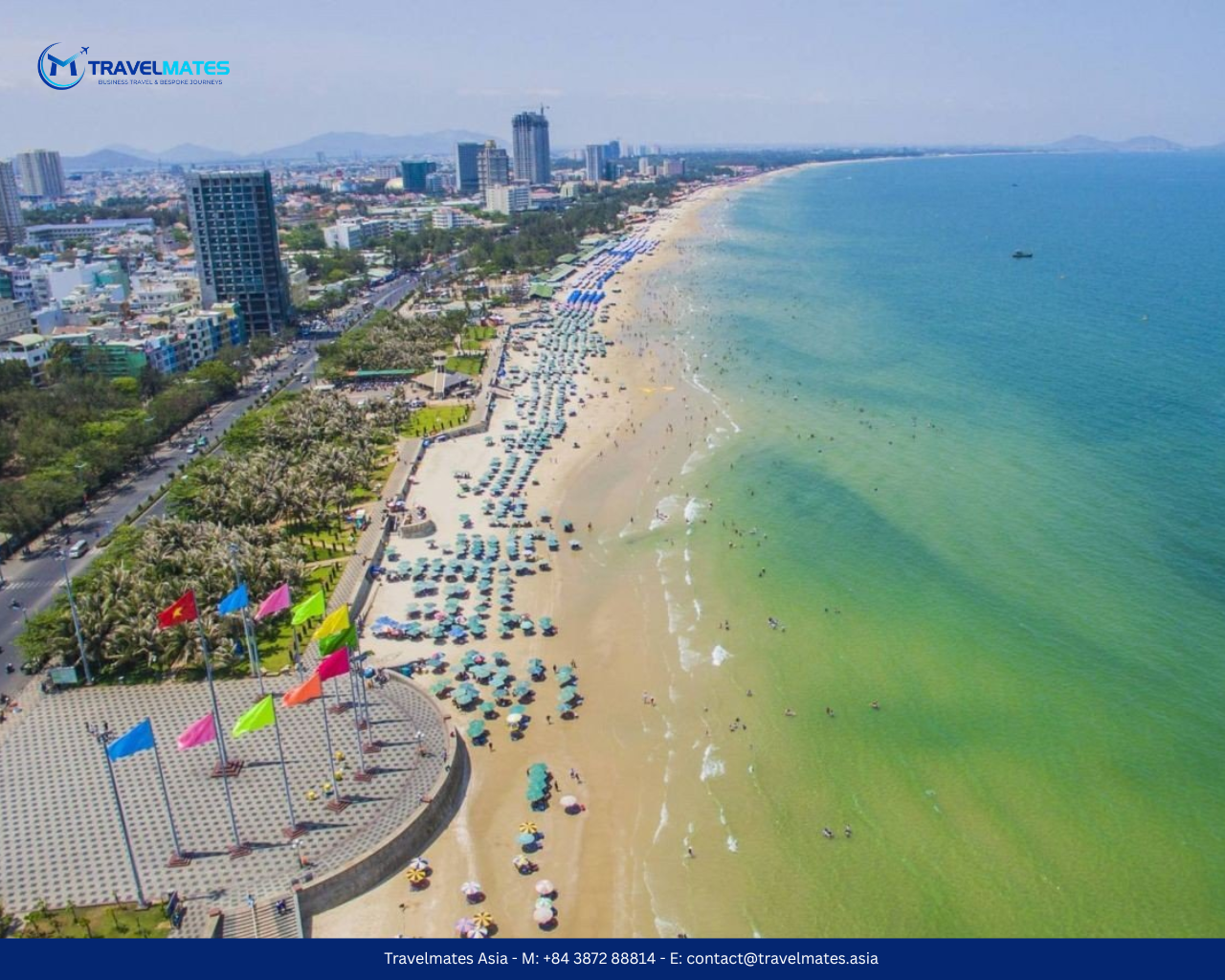
Just a short drive from Nui Dat lies the coastal city of Vung Tau, long known as a seaside retreat. Its sweeping beaches, fresh seafood markets and relaxed atmosphere offer space to decompress after a day of reflection.
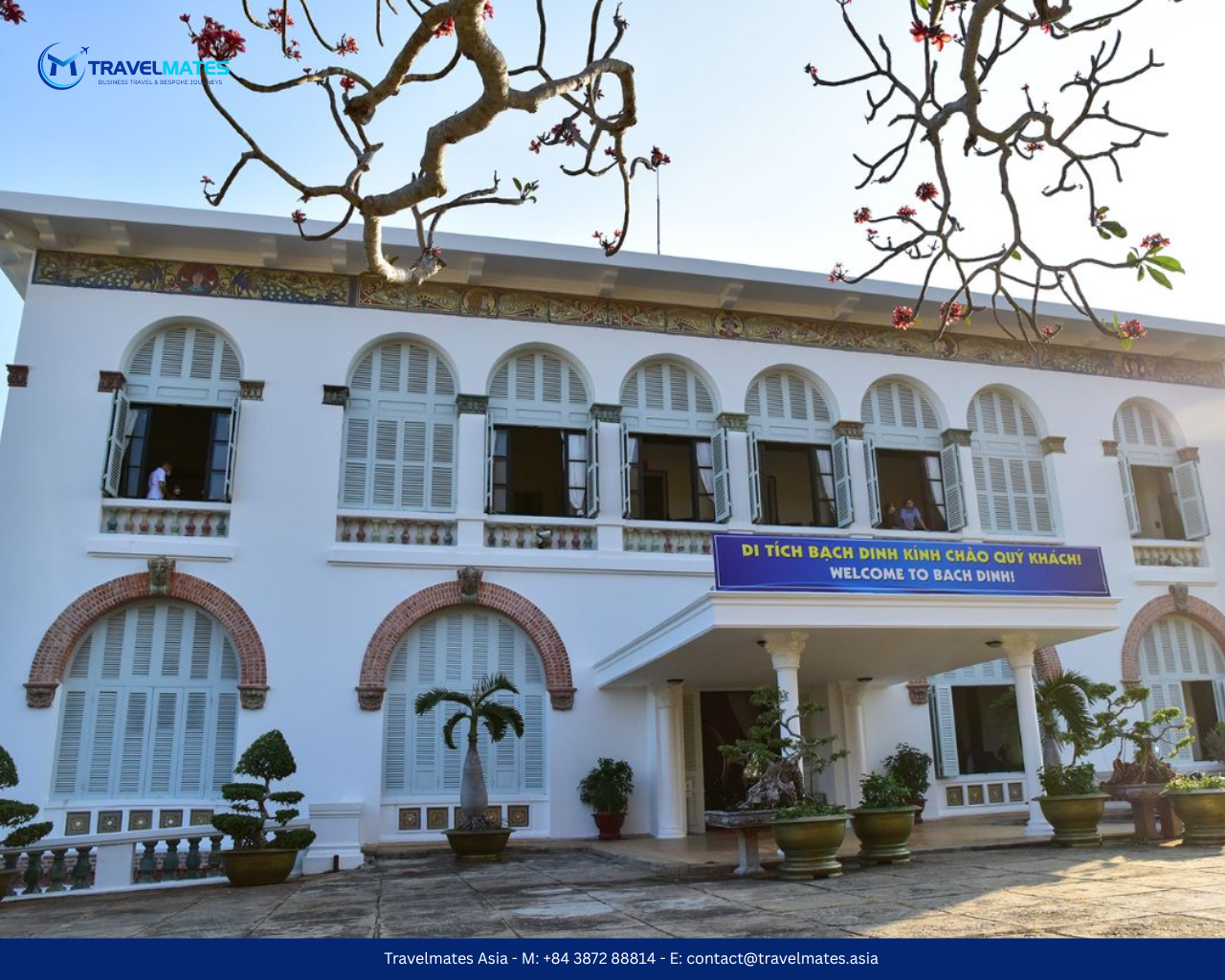
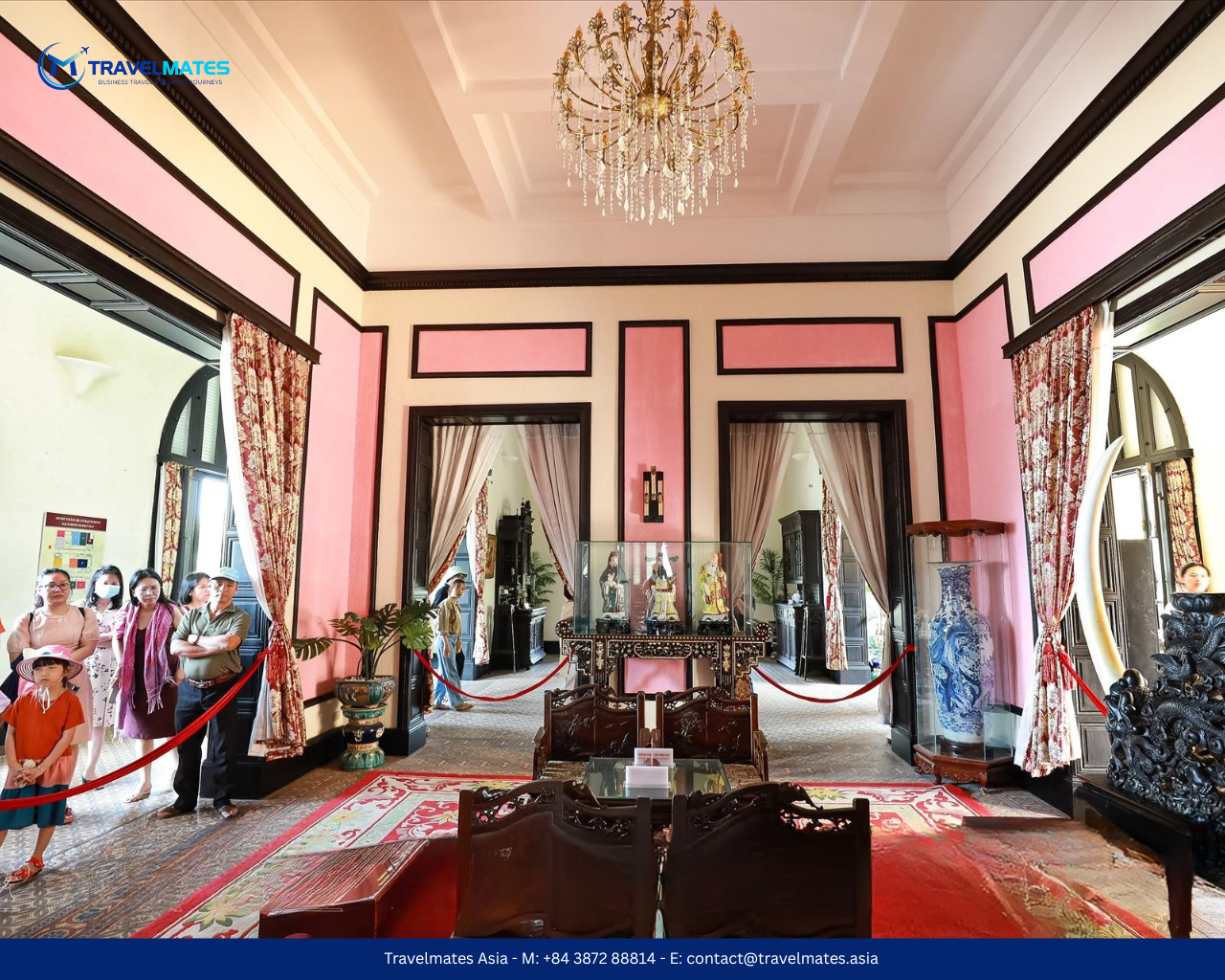
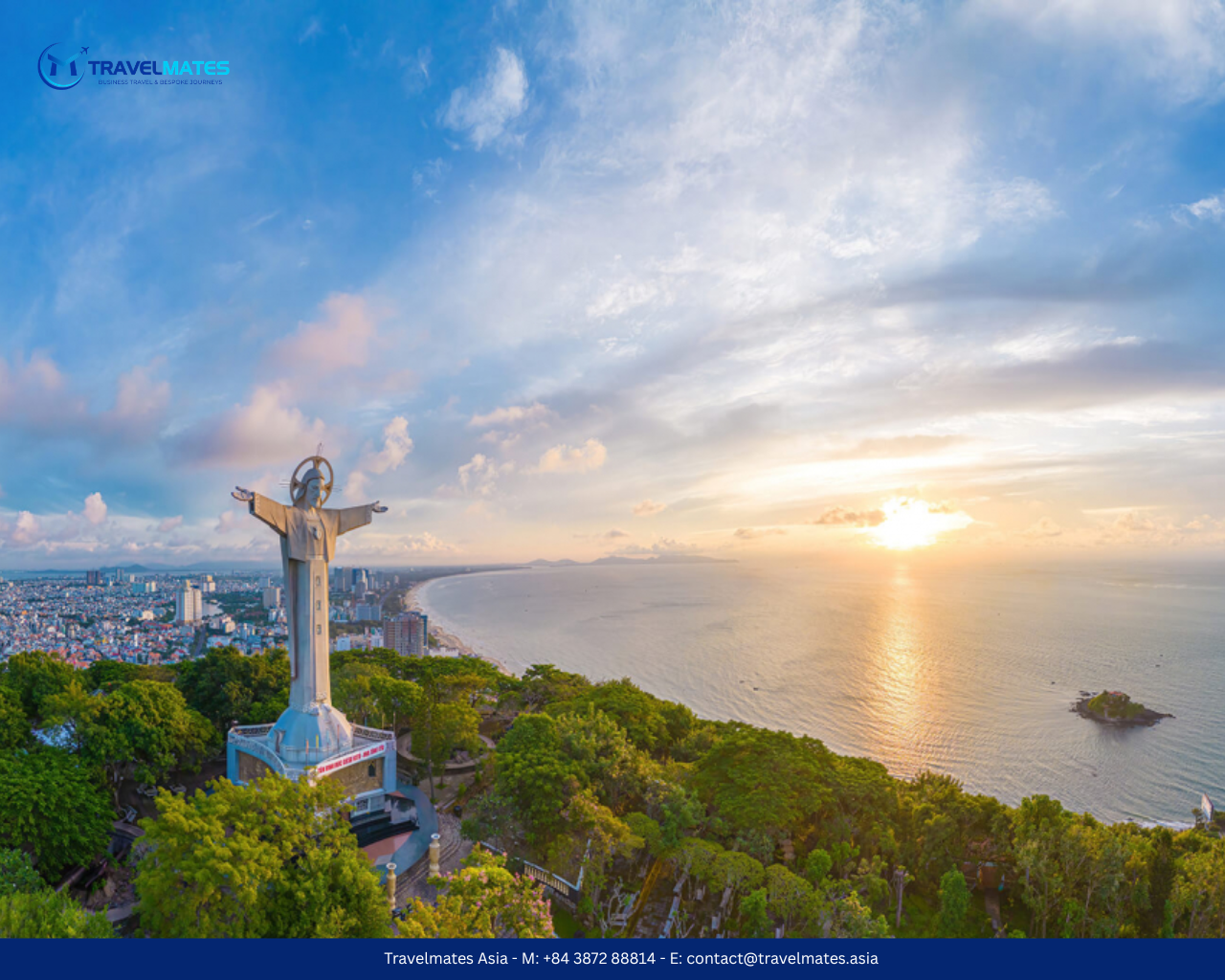
Visitors often climb to the Christ of Vung Tau for panoramic views over the East Sea, or visit the White Palace, a colonial-era residence overlooking the bay. These cultural and coastal experiences provide balance — reminding travellers that Vietnam today is vibrant, forward-looking and welcoming.
Combining historical exploration with beach time allows for a fuller appreciation of the region’s transformation.
Travelmates Journeys Through Ba Ria – Vung Tau (now Ho Chi Minh City)
Travelmates offers thoughtfully designed day trips and extended journeys from Ho Chi Minh City to Ba Ria – Vung Tau, tailored particularly for Australian and New Zealand travellers seeking meaningful engagement with this shared history.
Our approach is guided by:
- Historical accuracy
- Balanced storytelling
- Respect for all perspectives
- Time for personal reflection
Tours typically include Long Tan Cross, Nui Dat, Luscombe Airfield site and Long Phuoc Tunnels, with the option to continue onward to Vung Tau’s beaches and cultural landmarks.
We understand that for many guests, this is not simply sightseeing. It may be a pilgrimage. Our guides are briefed to provide factual context while allowing space for quiet remembrance.
Looking Ahead to the Next ANZAC Day
For a new generation of Australians and New Zealanders, visiting Long Tan, Nui Dat and Long Phuoc is not about reopening old wounds. It is about understanding history with maturity, empathy and perspective.
It is about honouring those who served, recognising the complexities of war, and appreciating the peace that allows us to travel freely today.
From remembrance to reconciliation, from battlefield to beach, this journey offers something rare: a deeper connection between past and present.
And for many families, there may be no more meaningful place to reflect than here — where memory meets the horizon of the East Sea.
We invite you to explore our curated tours to Long Tan, Nui Dat and Vung Tau for a day from Ho chi Minh city or you may also extend a few more days to enjoy beautiful beaches of Vung Tau, Long Hai or Ho Tram being the former R&R beaches.
Connect with us for enquiries.
- Email: contact@travelmates.asia | support@travelmates.vn
- Whatsapp: +84 387 288 814
- Web: www.travelmates.asia
- Page https://www.facebook.com/travelmatesvn/
Frequently Asked Questions – ANZAC Vietnam Tour
- Where is Long Tan Cross located?
Long Tan Cross is located in Ba Ria–Vung Tau, approximately 110 km southeast of Ho Chi Minh City Center and is approximately 25 km from Phu My international port. The site marks the location of the Battle of Long Tan in 1966. - What was Nui Dat during the Vietnam War?
Nui Dat was the base of the 1st Australian Task Force between 1966 and 1971. While the original structures no longer stand, visitors can still understand the layout and strategic importance of the former base with proper historical interpretation. - Can visitors attend ANZAC Day services at Long Tan?
Commemorative visits are possible; however, official ANZAC Day ceremonies are subject to approval by Vietnamese authorities each year. Travel arrangements should be planned well in advance due to limited access and high demand. - How far is Long Tan from Ho Chi Minh City Center?
The journey takes approximately 2.5 to 3 hours by road, depending on traffic conditions. Most visits are arranged as a full-day excursion from Ho Chi Minh City. - Is this tour suitable for veterans and families?
Yes. The visit is conducted respectfully and at a comfortable pace. Many veterans, descendants, and Australian and New Zealand families choose this journey as a personal pilgrimage to understand the events of 1966 in context. - What other sites are included in an ANZAC Vietnam tour?
In addition to Long Tan Cross and Nui Dat, itineraries often include Horseshoe Hill, Luscombe Field, and selected locations in Vung Tau connected to the Australian presence during the war.
7. What makes a guided ANZAC Vietnam tour meaningful?
A knowledgeable local guide provides historical context, explains the sequence of events surrounding the Battle of Long Tan, and connects visitors to the landscape as it stands today. The experience is not only about visiting memorials, but about understanding the human story behind them.