Explore Binh Duong: Culture & Living Heritage Beyond Saigon
Explore Binh Duong: Culture & Living Heritage Beyond Saigon
By Travelmates: Your local experts in navigating Vietnam's diverse landscapes and captivating destinations.
When most travellers think of southern Vietnam, Ho Chi Minh City naturally takes centre stage. Just beyond its urban sprawl lies Binh Duong — now administratively merged into Ho Chi Minh City, yet still retaining a distinct identity of its own. Often overlooked, it proves deeply rewarding for those willing to slow down and look a little closer.
Binh Duong surprised us not with grand landmarks, but with quiet spirituality, resilient history, everyday local life, and living traditions that continue to breathe today. This is a place best explored through lived stories — in pagoda courtyards scented with incense, in markets humming with daily rhythm, and in craft villages where hands still work much as they did generations ago. This is Binh Duong, as we -Travelmates – experienced it and now share it with you.
1.Thu Dau Mot Market
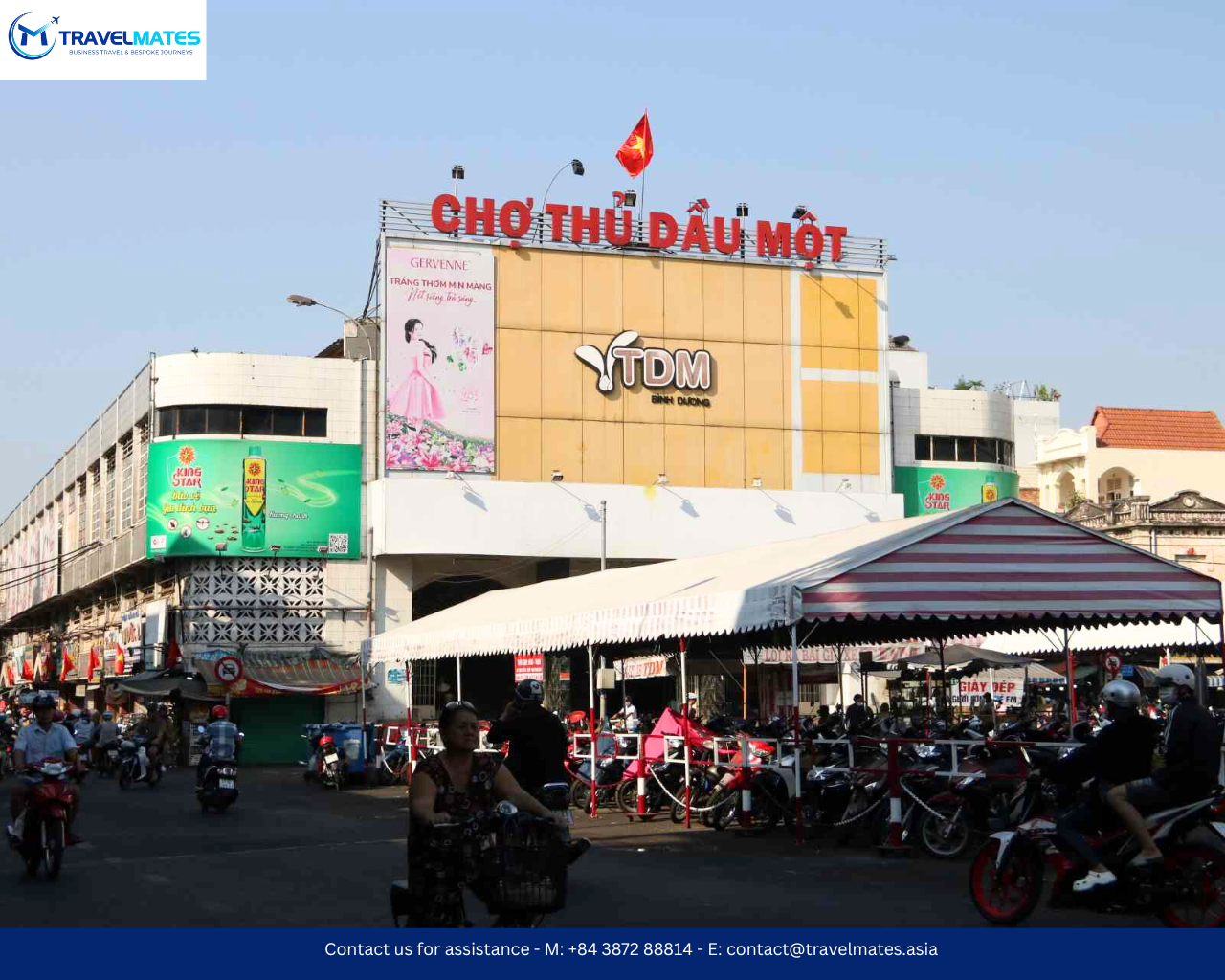
Thu Dau Mot Market sits along the Saigon River and has been the commercial heart of Binh Duong for nearly two centuries. Established in the early 19th century, the market grew naturally alongside river trade, when boats carried agricultural produce, ceramics, and daily goods between surrounding villages and Saigon. This strategic riverside location shaped the market into a vital trading hub for the region.
During the French colonial period, the market was restructured with permanent halls and arcades, giving it the architectural form that largely remains today. Rather than a preserved relic, Thu Dau Mot Market continues to function as a living space — its narrow aisles, busy vendors, and constant flow of locals reflecting everyday life in Binh Duong.
Inside, the market serves practical community needs, offering fresh produce, meat, fish, herbs, dry goods, textiles, and household items. More than a place to shop, it is where routines unfold, conversations happen, and traditions quietly continue. Walking through the market offers a genuine glimpse into local life — reminding us that culture here is lived daily, not staged for display.
2. Hoi Khanh Pagoda
Hoi Khanh Pagoda feels less like a tourist site and more like a living chapter of southern Vietnam’s history. Founded in 1741, it began as a small leaf-roofed temple built by Zen master Dai Ngan on a nearby hill. Over time, it grew into the important spiritual center we see today.
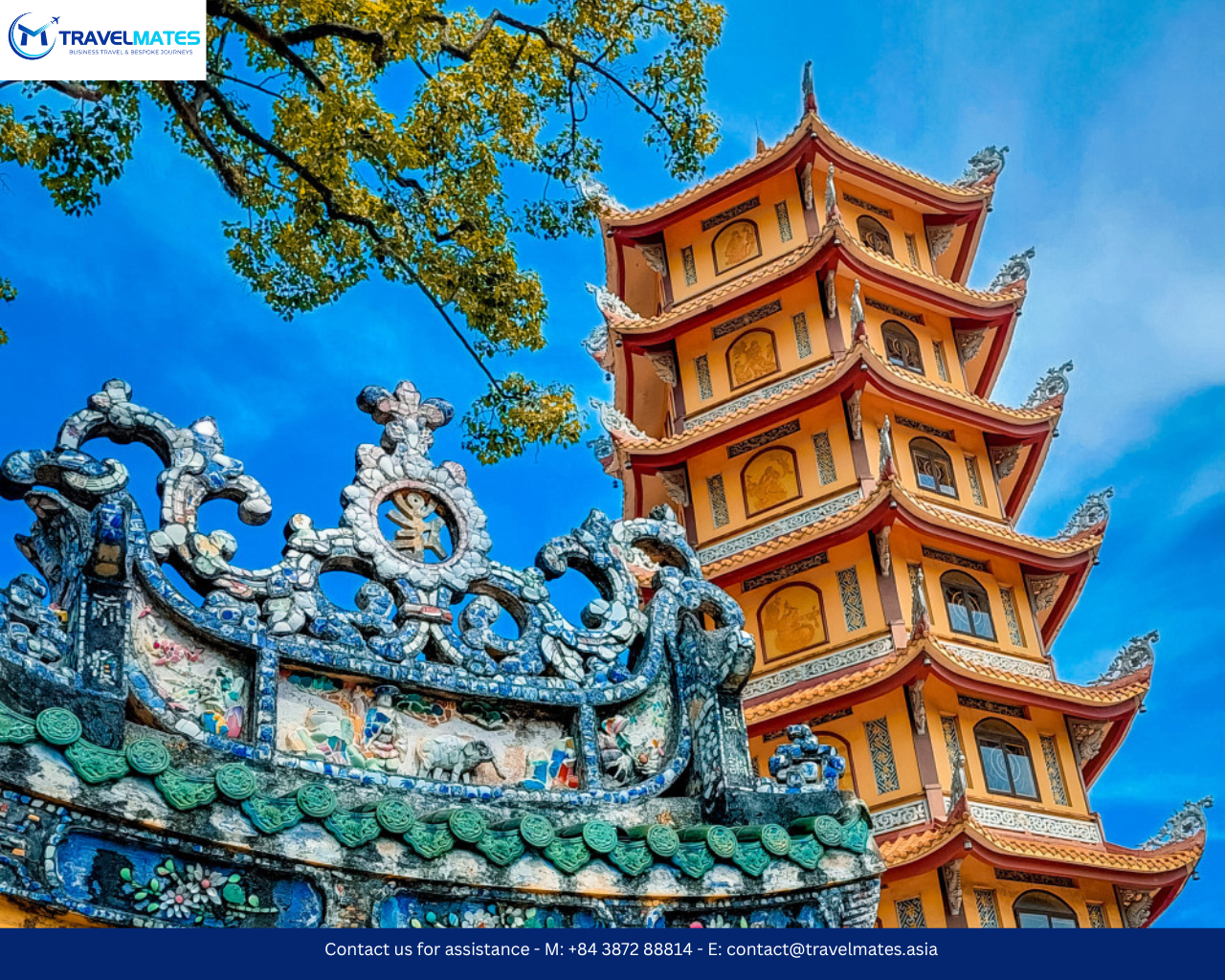
The entrance gate immediately draws attention with its ceramic reliefs — dragons, phoenixes, floral motifs, and symbolic figures crafted from glazed ceramic shards, reflecting the blend of southern Vietnamese and Chinese influences in the region’s religious architecture.
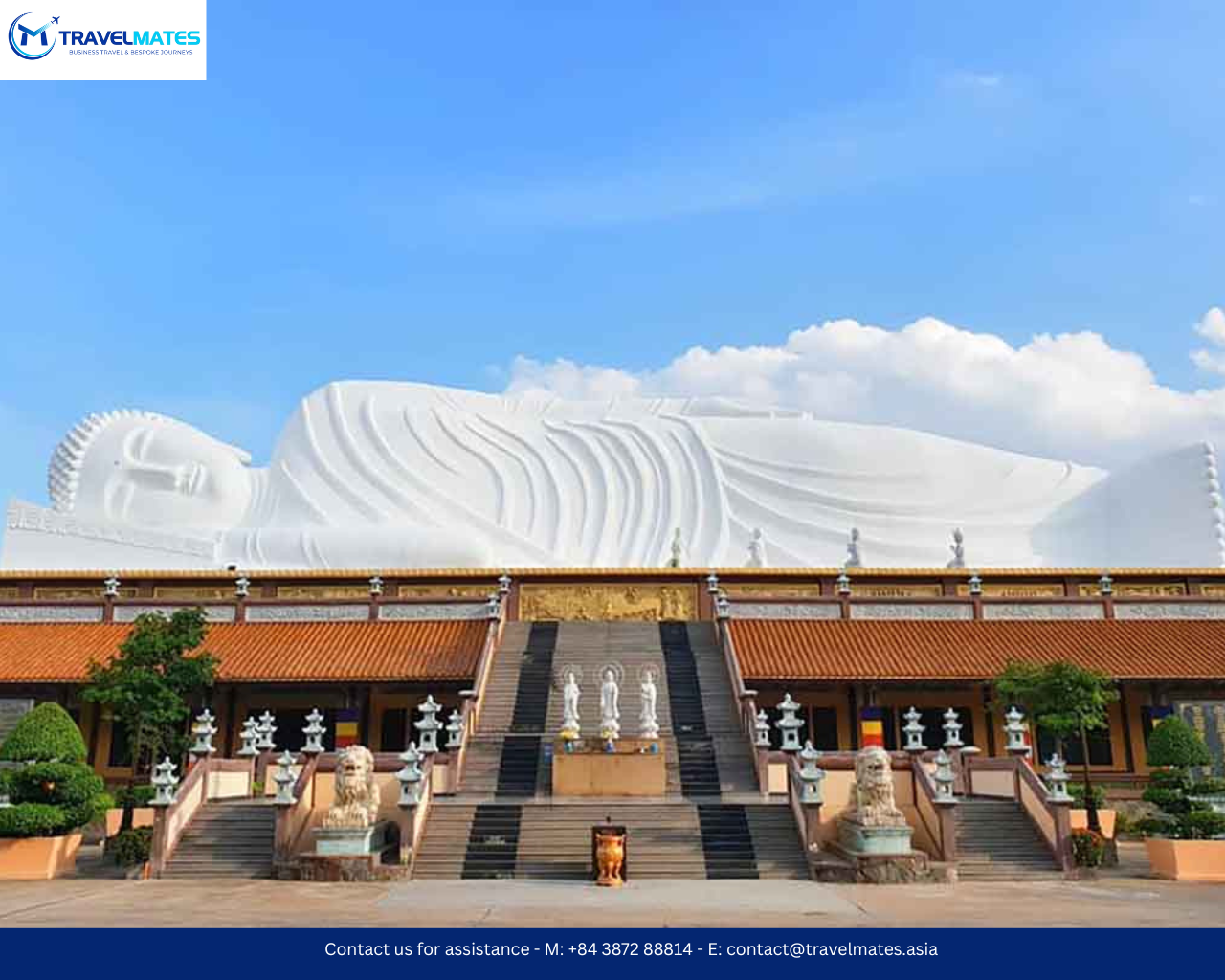
In 1860, the pagoda was destroyed during the French colonial period and later rebuilt at the foot of the hill, about 100 meters from its original location. Today, its most striking feature is the 52-metre-long statue of Shakyamuni Buddha entering Nirvana, a powerful symbol of peace, reflection, and spiritual continuity that defines Hoi Khanh’s enduring significance.
3. Thien Hau Temple
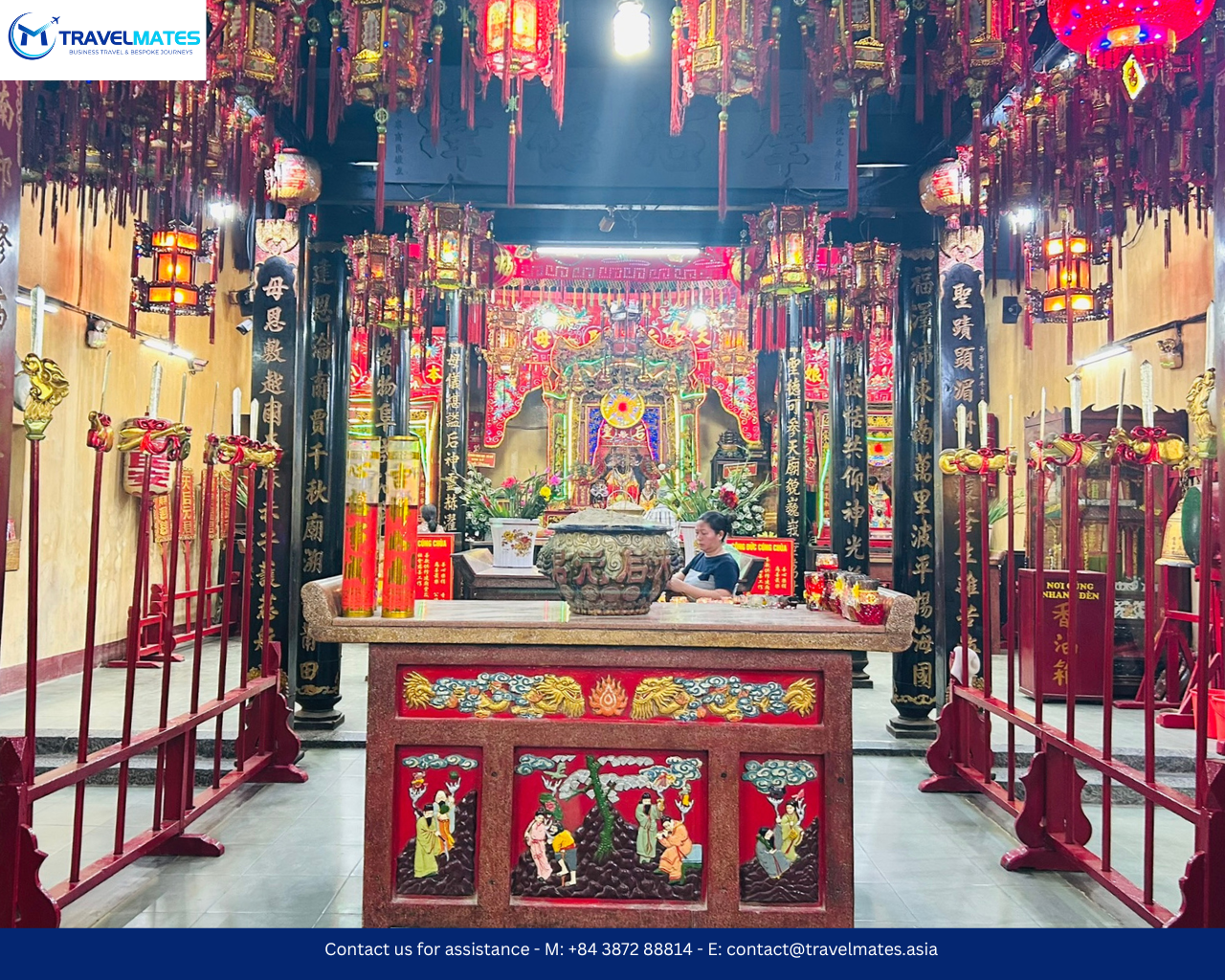
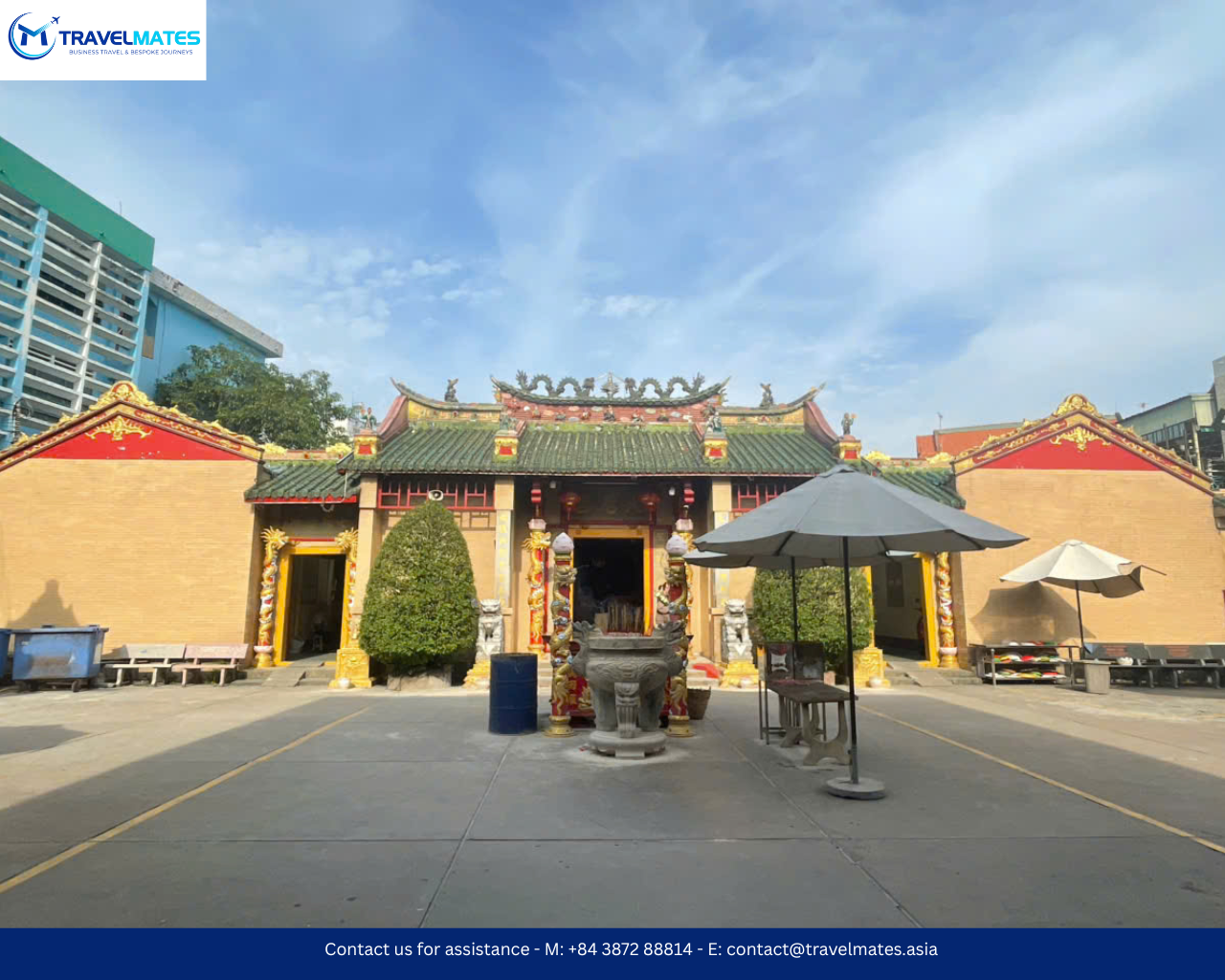
Dedicated to the Sea Goddess, Thien Hau Temple is rich in symbolism and living faith. The roof is tiled with yin–yang tiles and crowned with ceramic carvings of dragons vying for a pearl and carp transforming into dragons, symbols of harmony, perseverance, and good fortune. Along the roof edges, small statues of the Moon Lady and ancient officials reflect traditional Chinese architectural style.
Inside the main hall, worshippers pray before Mazu, the Sea Goddess, whose statue is dressed in elaborately renewed robes. Nearby altars honor the Five Elemental Ladies and Mr Bon, reflecting balance, protection, and community roots. Each year during the festival, the temple comes alive as the goddess’s palanquin is carried through Thu Dau Mot Market in a vibrant procession, reminding us that this is not just a historic site, but a living tradition deeply rooted in local life.
4. Tay Tang Pagoda
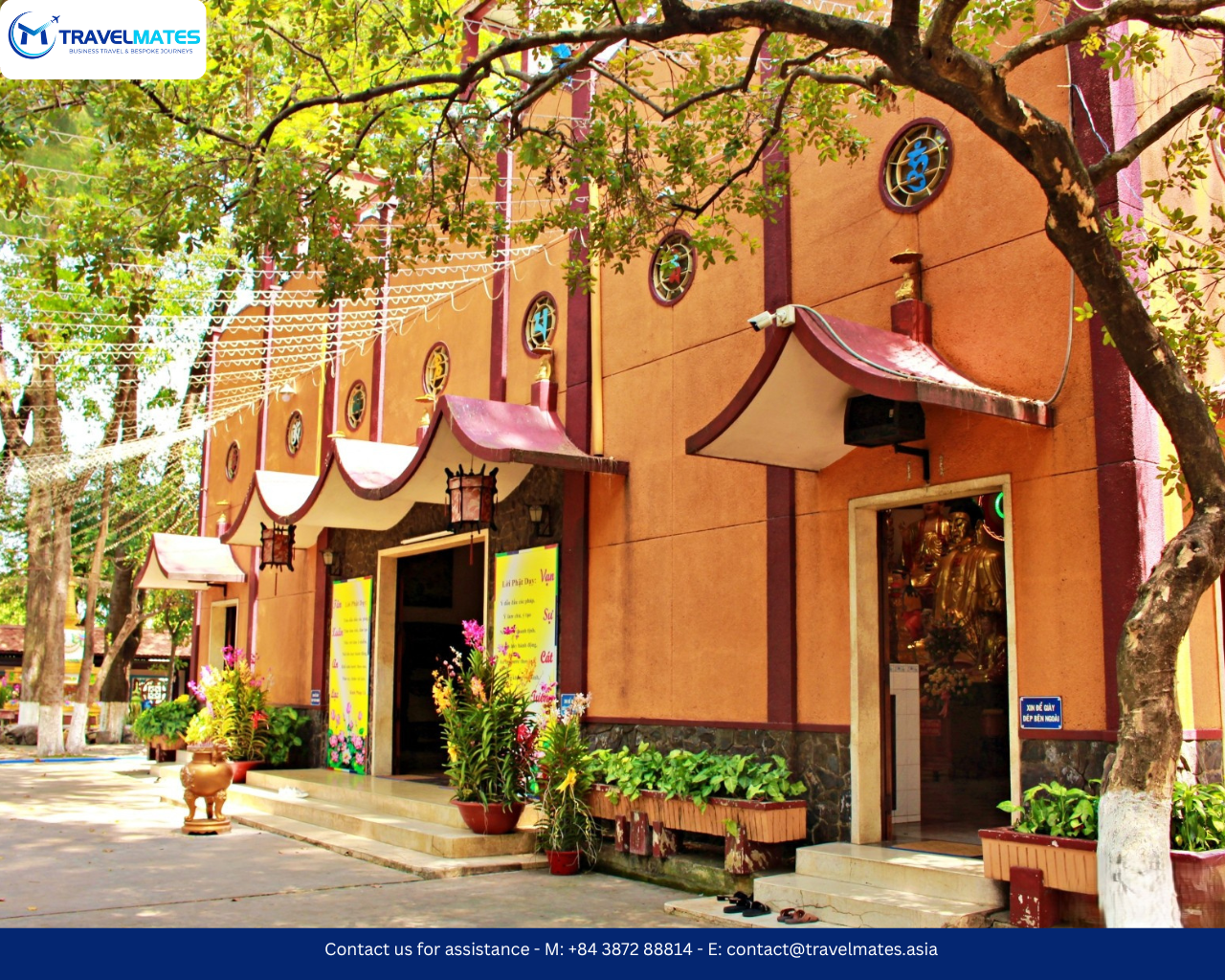
Tay Tang Pagoda offers a very different atmosphere from the larger, more visited temples as it has Tibetan style. Tucked away from busy streets, it feels intimate and quietly personal. As we step inside, the noise of the city fades, replaced by the sound of wind moving through the trees and chanting carried on the air.
There are no crowds here, only space to slow down and reflect. For travellers seeking a genuine spiritual pause rather than a photo stop, Tay Tang Pagoda offers a rare moment of calm and contemplation.
5. Tuong Binh Hiep Lacquerware Village
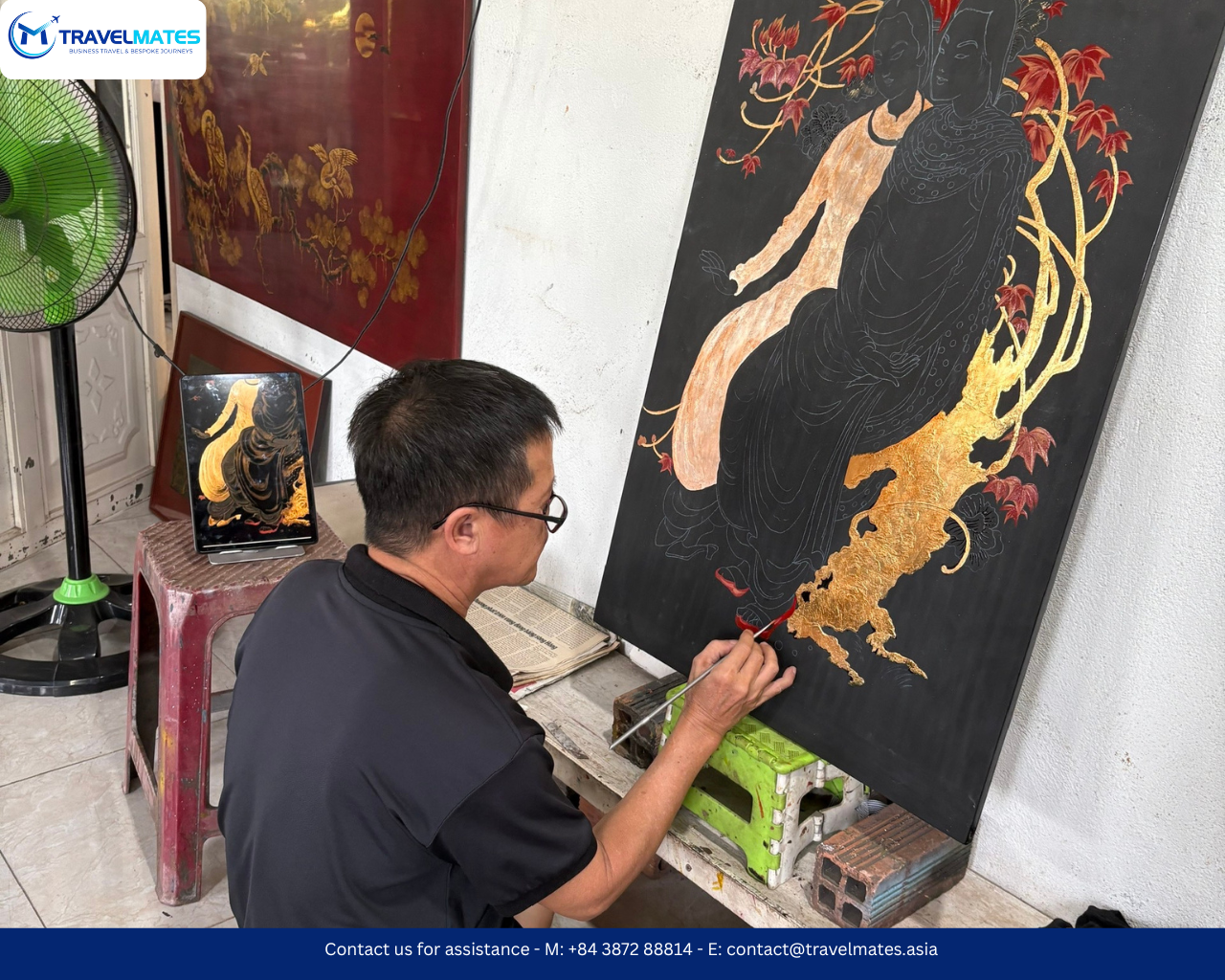
In Tuong Binh Hiep lacquerware is created through patience rather than speed. Artisans work quietly, layering, polishing, and allowing time to do its work — a single piece can take weeks to complete. As we watch, it becomes clear that these skills are not learned from books, but passed down through observation, repetition, and trust between generations.
Visiting these workshops offers more than souvenirs. It gives us a glimpse into a way of life that values craftsmanship, pride, and continuity in a rapidly changing world.
6. Dai Hung Pottery Kiln
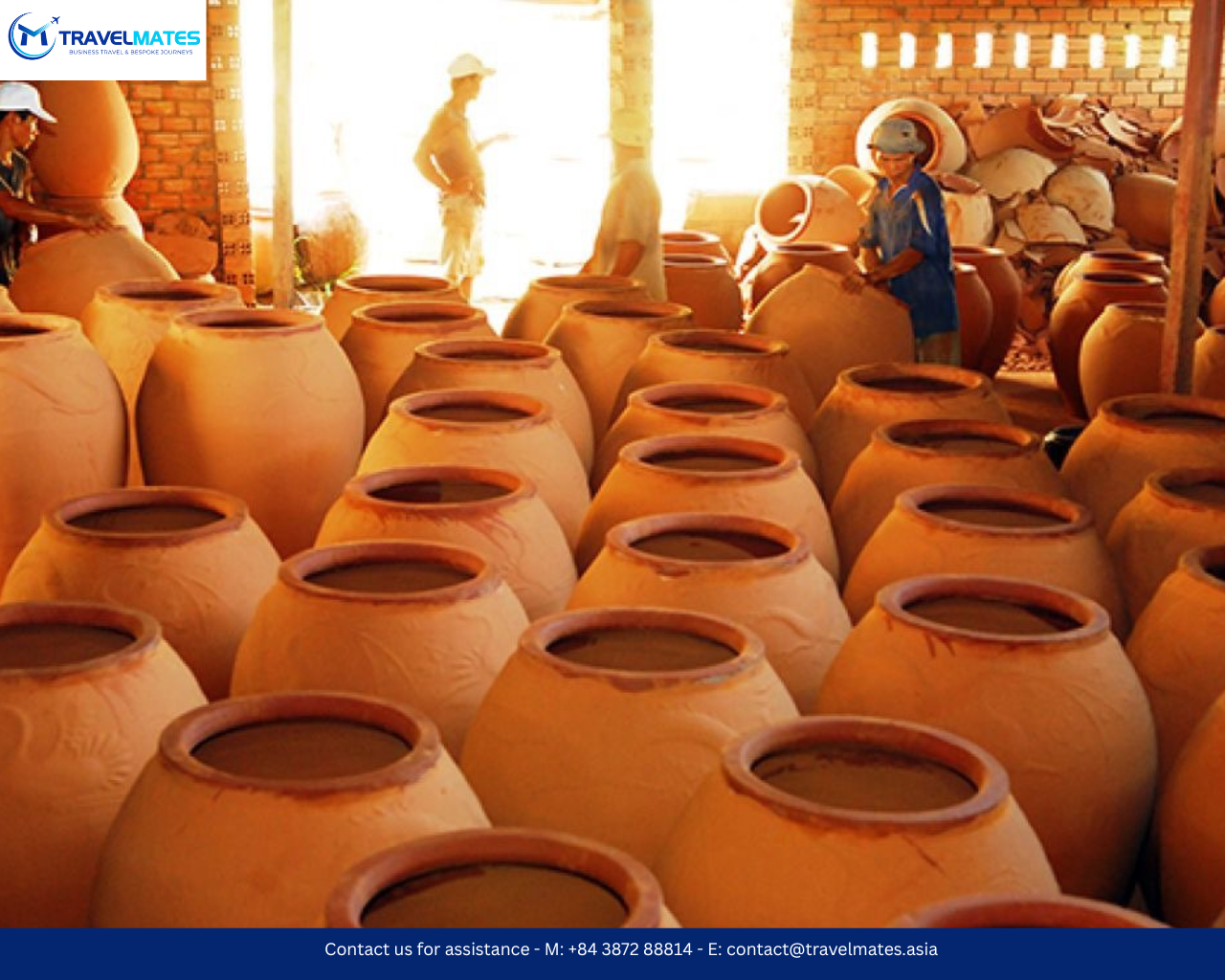
The Dai Hung Pottery Kiln one of the oldest surviving ceramic workshops in Binh Duong, reflects a long tradition shaped by fire, clay, and community life. Here, local craftsmen still process clay entirely by hand, skillfully forming everyday household items such as food jars and water containers.
These ceramics are made not for decoration, but for daily use — practical objects shaped by generations of experience. Speaking with the artisans gives deeper insight into skills and knowledge patiently passed down through families over time.
7. Phu Loi Prison
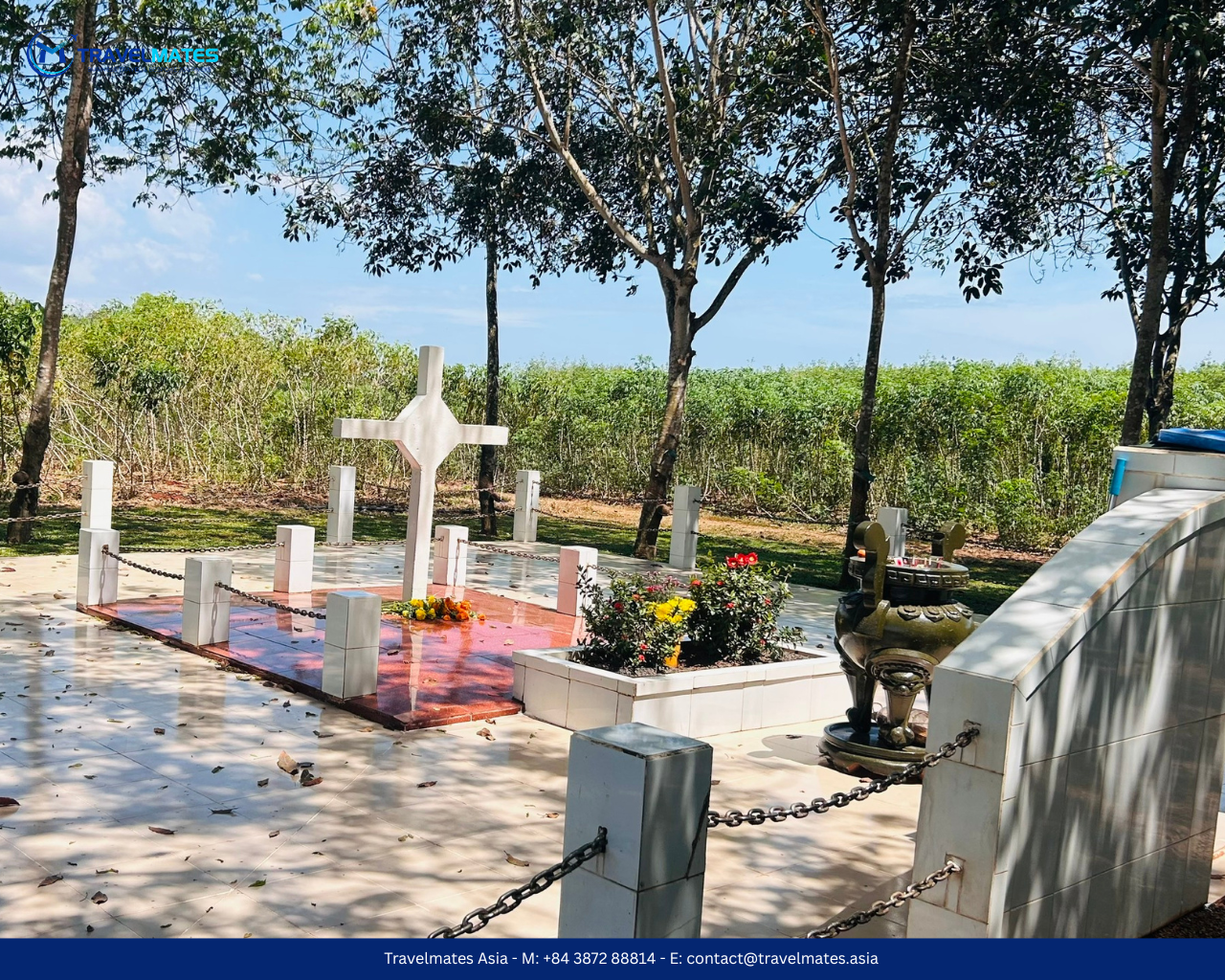
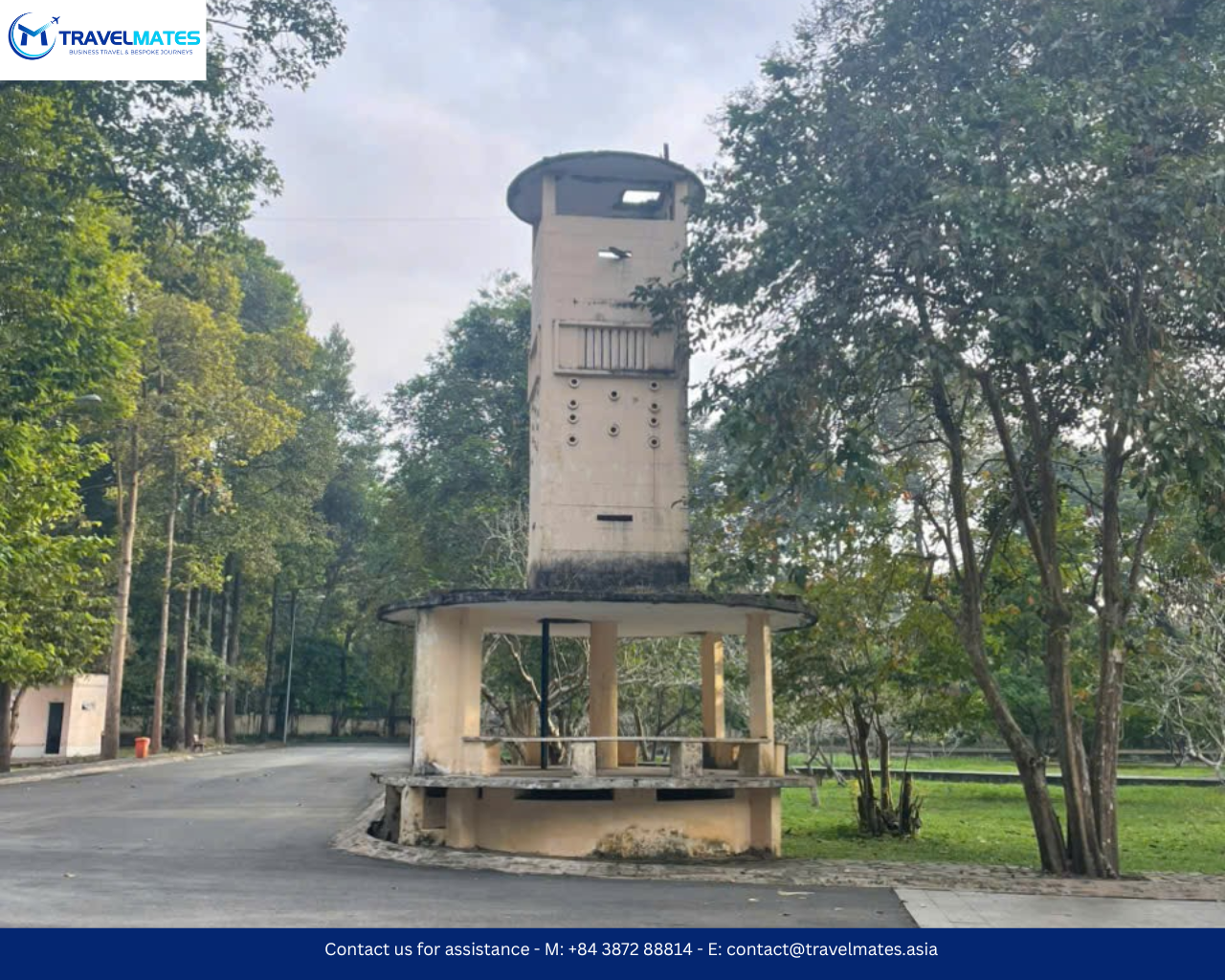
Phu Loi Prison is a place of remembrance that tells a difficult chapter of Vietnam’s past. The stories shared here speak of suffering and hardship, but also of the resilience, courage, and endurance of local people in their long struggle for peace.
Today, the site is carefully preserved, with exhibition rooms that help us understand the human stories behind these walls. What is especially meaningful is seeing students and younger generations visiting as a way to remember the past and learn from it. Phu Loi Prison is no longer only about what was lost, but about acknowledging history and looking forward with hope for a more peaceful future.
8. Summary
From the daily rhythms of Thu Dau Mot Market and the serene beauty of Hoi Khanh Pagoda, to the craftsmanship of Tuong Binh Hiep lacquerware, the enduring traditions of Dai Hung pottery kiln, and the powerful reflections found at Phu Loi Prison, this journey offers a deeper understanding of a place often overlooked. Each stop reveals a different layer of Binh Duong — spiritual, historical, and human.
If you’re seeking an authentic cultural experience beyond the usual tourist paths, Travelmates’ Thu Dau Mot Hidden Gems Day Tour invites you to slow down, listen, and connect.
Join us on this meaningful day journey and discover Binh Duong through local stories and living heritage.
Contact Travelmates or book now to secure your place.
Ready to experience Thu Dau Mot, Binh Duong, Vietnam like a local? Connect with us to start building itineraries that last a lifetime.
- Email: contact@travelmates.asia | support@travelmates.vn
- Whatsapp: +84 387 288 814
- Web: www.travelmates.asia
- Page https://www.facebook.com/travelmatesvn/